DETALII
Citeste mai mult
Descriere RO
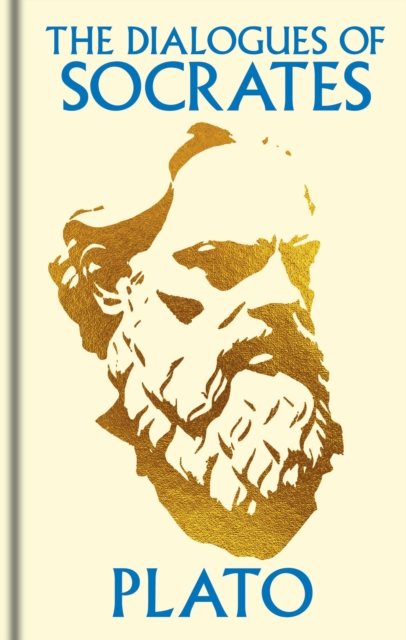
In Plato's "Parmenides," the dialogue explores profound philosophical questions, primarily focusing on the nature of being and non-being. The character Parmenides presents a series of challenging arguments to Socrates, questioning the feasibility and coherence of the "Theory of Forms". Parmenides argues that if something exists, it must be completely unified and unchanging. He suggests that a true being is a singular, undivided entity that cannot be differentiated, or subdivided. The dialogue contrasts the ideas of the Sophists, who often questioned the nature of truth and knowledge, with the more rigorous philosophical inquiry presented by Parmenides. Parmenides demonstrates the complexities and potential inconsistencies within the "Theory of Forms" prompting deeper reflection on the nature of reality and knowledge. The poem addresses human beliefs and perceptions, which Parmenides sees as unreliable. These perceptions suggest a reality of change and diversity, which he believes are illusions and do not reflect the true nature of Being. Sensory experiences are seen as deceptive, as they suggest a world of change and plurality, which contradicts the true nature of Being., Parmenides argues that reality is a single, unchanging entity, and any perception of change or diversity is illusory.
EdituraDouble 9 Books
Dimensiuni
Data Publicarii01/01/2024
FormatNecartonata
Numar pagini
Aceasta este o carte in limba engleza. Descrierea cartii (tradusa din engleza cu Google Translate) este in limba romana din motive legale.
In ,,Parmenide" de Platon, dialogul exploreaza intrebari filosofice profunde, concentrandu-se in principal pe natura fiintei si a nefiintei. Personajul Parmenide ii prezinta lui Socrate o serie de argumente provocatoare, punand la indoiala fezabilitatea si coerenta ,,Teoriei Formelor".